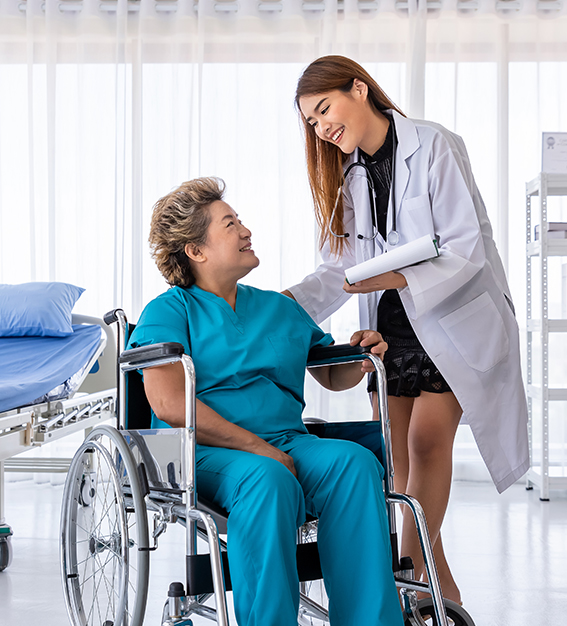

Skilled nursing services sound clinical, yet they touch everyday life. When a person leaves the hospital but still needs medical help—such as wound care, IV therapy, or daily rehab—skilled nurses step in. These licensed professionals carry out the doctor’s plan until the patient regains strength or learns to manage long-term illness safely. Skilled care fills the space between acute hospital work and basic home help. It keeps infections from flaring, prevents falls, and teaches families how to handle equipment. Because the tasks are medical, federal and state rules guide every step. Knowing what those rules cover and who benefits most helps families avoid guesswork and make sound choices.
What Skilled Nursing Means
Skilled nursing is not just “extra help.” It is hands-on medical treatment delivered by registered nurses (RNs), licensed practical nurses (LPNs), and certified rehab staff. These clinicians follow written orders, record vital signs, adjust medication, and respond fast when a condition shifts. Unlike custodial care—which focuses on meals or housekeeping—skilled nursing tackles problems that require professional training. Examples include managing complex dressings, suctioning airways, and titrating oxygen. Strict charts document each task so physicians can fine-tune therapy. Because errors carry legal risk, every chart entry follows the Nursing Practice Act and facility policy. In short, skilled nursing is a hospital-level procedure carried out in home health or a dedicated care center, with the same standard of safety every day.
Key Clinical Services
Typical skilled programs offer a menu of core tasks:
- Advanced wound care: sterile dressings, negative-pressure pumps, burn follow-up.
- Medication management: IV antibiotics, cardiac drips, insulin titration.
- Rehabilitation therapies: daily sessions with licensed PT, OT, or speech staff.
- Respiratory support: tracheostomy upkeep, ventilator checks, nebulizer teaching.
- Cardiac monitoring: telemetry review, pacemaker checks, blood-pressure mapping.
Each item must be ordered, dated, and signed by a provider with admitting rights. Nurses then chart response trends—temperature swings, lab shifts, or drainage color—so physicians can spot trouble fast. Federal audits often examine these very notes to confirm that each billed minute met clinical need.
Licensed Staff at Work
Staff mix affects safety and cost. A typical skilled unit carries one RN for every five to seven residents during day shifts, with one LPN for heavier medication rounds. Certified nursing assistants handle grooming and position changes under close supervision. Every practitioner completes yearly skills fairs on infusion pumps, sterile fields, and fall-prevention drills. Many facilities now deploy wound-care specialists holding WOCN certification; their added training cuts healing time by up to 30 %, according to 2024 Medicare data. Electronic health records flag early signs of sepsis or drug reaction, letting the charge nurse alert a doctor within minutes. Accurate ratios and constant education turn complex treatments into safer, day-to-day routines.
Where Care Takes Place
Skilled nursing can unfold in two main settings: a skilled nursing facility (SNF) or a licensed home-health program. SNFs resemble small hospitals with therapy gyms, medication carts, and on-call labs. Patients stay in private or semi-private rooms and receive therapy at least five days each week. Home-health models send nurses to the patient’s residence for hour-long visits, then coordinate with physical therapists who arrive on alternate days. Choosing between the two depends on need. High-flow oxygen, fresh surgical grafts, or new feeding tubes often require the controlled environment of an SNF. Simple IV antibiotics or mild stroke rehab may succeed at home, where familiar walls reduce confusion and sleep problems.
Who Qualifies for Care
Not everyone discharged from a hospital bed meets “skilled” criteria. Medicare and most insurers ask three basic questions: Does the patient have a condition that can improve? Does recovery demand licensed hands? Will services run for a limited time? People recovering from hip repair, heart-failure flare-ups, or major infections often pass the test. So do adults managing complex conditions such as multiple sclerosis or ALS, when new equipment or medication calls for teaching. Infants with feeding tubes and seniors with newly diagnosed diabetes also qualify if a nurse must train the family on pumps and sterile technique. Understanding these triggers spares families from surprise bills later.
Understanding Medicare Rules
Medicare Part A covers skilled nursing in an SNF if the patient spent at least three midnights in a hospital and enters the facility within 30 days of discharge. The first 20 days are paid in full; days 21–100 bring a daily coinsurance (US$204 in 2025). Part B covers skilled services at home as long as a doctor certifies the patient is “homebound.” Private plans mimic these rules but may cap visits or demand prior authorization. Electronic claims must list diagnosis codes, procedure codes, and minutes of care. Missing or late entries can void payment and even trigger payback audits; hence, nurses should chart immediately after each task.
Short-Term Recovery Needs
Many people use skilled nursing for a brief burst of support, then move back to routine life. Common examples include:
- Joint replacement: walking safely with new hips or knees.
- Cardiac surgery: checking sternal wounds, pacing activity.
- Complex fractures: teaching brace care, preventing skin breakdown.
- Severe infections: giving home IV antibiotics without rehospitalization.
These cases improve within weeks, so goals are clear and time-limited. Nurses set daily milestones—range of motion degrees, wound-drain output, and discharge only when targets hold steady for 48 hours. Clear metrics keep the plan focused and shorten stay length.
Long-Term Chronic Support
Some illnesses need ongoing skilled attention. Residents with advanced Parkinson’s may require weekly adjustment of deep-brain stimulator settings plus daily speech therapy to reduce swallow risk. People reliant on ventilators need regular airway suction, cuff pressure checks, and circuit changes to curb pneumonia. Diabetic ulcers that expose bone often call for months of sterile dressing and off-loading education. In each case, the medical need does not vanish, but good, skilled care slows decline and keeps hospital visits low. Studies published by the National Institute on Aging in 2024 found a 26 % drop in readmissions when chronic patients received scheduled skilled visits versus sporadic home aide help.
Choosing a Good Provider
Families should review staffing ratios, infection scores, and state inspection reports before signing papers. Ask how many RNs work nights, what therapies run weekends, and how often doctors round. Look for facilities using electronic MAR systems that alert staff to drug conflicts in real time. If care is at home, confirm that the agency holds Medicare certification, carries liability insurance, and completes background checks. A written care plan listing goals, tasks, and discharge criteria protects everyone. Finally, tour at mealtime; food safety and dignity often mirror overall quality. Thoughtful questions today can spare emergency calls tomorrow.
Skilled Nursing: Key Takeaways
Skilled nursing bridges the gap between hospital and home when medical tasks still demand licensed hands. Whether the help lasts two weeks or continues for many months, the goal stays constant: safe recovery, fewer setbacks, and clear teaching that empowers families. Knowing the core services, staff roles, insurance rules, and practical settings puts control back in a patient’s corner. If you or someone close faces surgery, chronic illness, or sudden health change, remember that skilled nurses bring hospital-level care to a calmer setting—one chart, check, and healing step at a time.